
Tel: 0800 772 0 776


Window cleaning might seem simple on the surface, yet there’s more complexity than meets the eye. Acquiring proper window cleaning training is vital for anyone looking to excel in this field. Professional training equips individuals with the skills needed to deliver high-quality service while ensuring safety and efficiency. In the UK, institutions like the British Window Cleaning Academy (BWCA) provide comprehensive courses to help window cleaners get certified.
The training covers a broad range of topics, including the operation of specialised equipment such as the Reach & Wash® system. This innovation, pioneered by industry experts, emphasises the importance of using the right tools for the job. Training providers also focus on safety measures, which are critical when working at height. A solid foundation in these areas not only sharpens practical skills but also builds confidence among customers.
For those aspiring to build successful window cleaning businesses, training is invaluable. It extends beyond mere technique, incorporating knowledge about marketing, sales, and customer service. These elements work together to ensure the long-term success and growth of a business.
Understanding Window Cleaning
The window cleaning industry has a rich history with constant innovation in techniques and services. It transforms from traditional methods to more advanced, efficient solutions.
History and Evolution of the Window Cleaning Industry
Window cleaning likely started with the invention of glass windows, but it truly evolved alongside urban development. In the UK, squeegees and ladders were traditionally used, often by workers suspended from great heights. As cities grew taller, so did the complexity of the tools used.
During the late 20th century, notable advancements like the Reach & Wash® system revolutionised the field. This method allowed cleaners to safely reach high windows using water fed poles. This emerged from hydration technology, using pure water to clean glass without chemicals.
Overview of Window Cleaning Techniques
Window cleaning has various techniques, from simple hand methods to using complex tools. Traditional cleaning often involves squeegees, mops, and detergents. These are effective for ground-level windows.
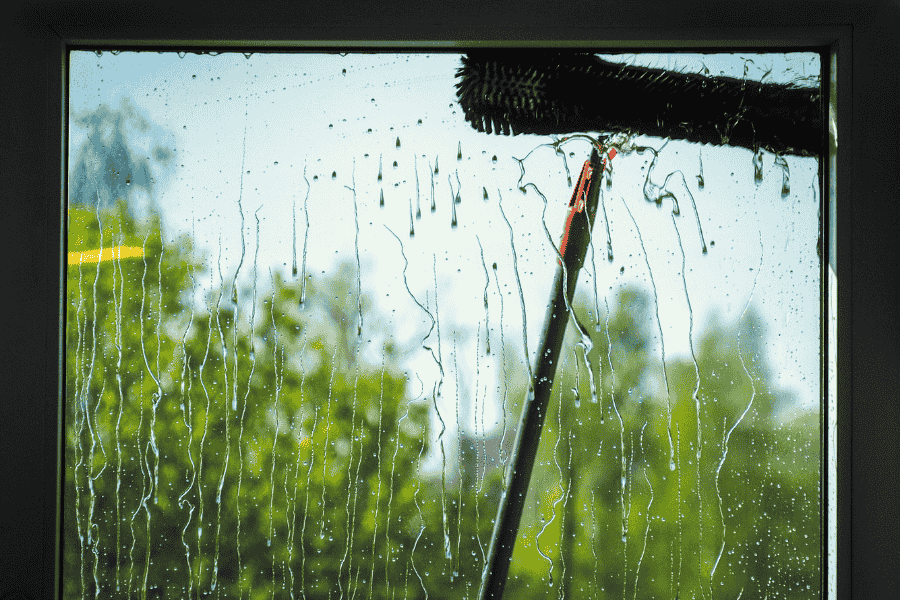
Modern methods include soft washing and the use of water fed poles. Soft washing uses low-pressure water mixed with a cleaning solution, gently removing dirt. The water fed pole system has become popular for high windows, using purified water to achieve a spotless finish.
These innovations ensure safer and more efficient cleaning, providing high-quality results.
Differentiating Between Domestic and Commercial Services
Domestic and commercial window cleaning differ in scale and requirements. Domestic cleaning focuses on homes, where the need is often for smaller, more easily accessible windows. Techniques like hand cleaning and small water fed poles are commonly used.
Commercial cleaning caters to businesses, especially in high-rise buildings. This requires advanced equipment like full-length water fed poles and even abseiling for skyscrapers. Safety is a priority in both sectors, yet commercial services demand adherence to stricter regulations due to the risks involved.
Understanding these differences helps clients choose the right service and ensures effective results.

Foundational Training and Accreditation
Window cleaning training is a vital step for those entering this skilled trade. It includes learning both basic and advanced techniques and working towards recognised certification.
Comprehensive Training Courses for Beginners
Training courses for beginners focus on building a solid foundation in window cleaning techniques. These courses introduce essential skills such as using various cleaning tools, handling equipment safely, and effectively managing different types of glass and frames. Training often involves hands-on practice, allowing learners to apply what they’ve studied in a controlled environment. Such courses aim to ensure that newcomers are well-prepared to start their careers confidently. Additionally, they set the stage for understanding more advanced, specialised cleaning methods used in the industry.
The Role of the British Window Cleaning Academy (BWCA)
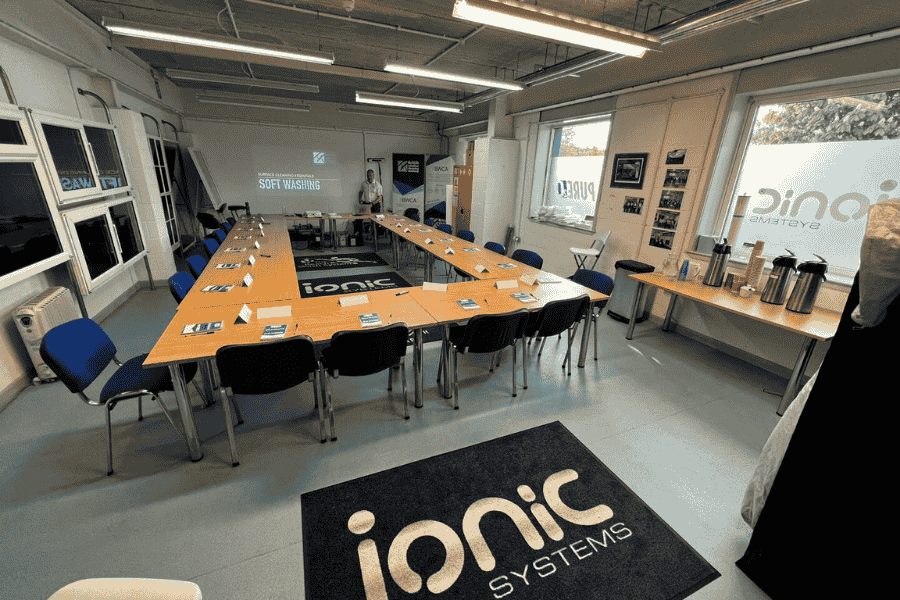
The British Window Cleaning Academy (BWCA), established in 1997, plays a significant role in training window cleaners across the UK. Founded by Craig Mawlam, the BWCA is recognised for its high standard of professional training. It offers a variety of courses ranging from basic to advanced levels, adapting to the ever-changing regulations and techniques in the industry.
The Institute also supports the use and understanding of modern equipment, ensuring that window cleaners can service residential, commercial, and industrial clients efficiently. The BWCA is an essential resource for those looking to enhance their skills and knowledge.
Achieving Accreditation and Quality Standards
Achieving accreditation in window cleaning signifies a high level of skill and knowledge. Accreditation from bodies like the BWCA requires dedication and the successful completion of comprehensive training programs. This certification benefits window cleaners by showcasing their credibility and commitment to professional standards.
Clients often look for accredited professionals, as it assures them of quality and safety. Besides increasing employment opportunities, achieving accreditation emphasises adherence to industry regulations, which is invaluable given the complexity and risk factors involved in high-rise and industrial cleaning scenarios. With this recognition, window cleaners can confidently establish themselves in the market.
Safety and Risk Management
Window cleaning involves tasks that can be risky if proper precautions are not taken. Each section below covers specific aspects needed to maintain safety, including understanding the fundamentals, working at height, and tackling potential hazards.
Health and Safety Fundamentals in Window Cleaning
Maintaining health and safety in window cleaning starts with providing proper training. Every window cleaner should be educated on the use of personal protective equipment (PPE) like safety helmets, gloves, and high-visibility clothing. This equipment helps in safeguarding against falls and other injuries.
Training not only covers equipment use but also the identification of hazards at work sites. Window cleaners are urged to be aware of surrounding conditions and to communicate effectively with team members. Regular safety workshops and refresher courses can enhance this safety culture, ensuring everyone is on the same page.
Working at Height: Best Practices and Equipment
Working at height is one of the most significant risks in window cleaning. It’s important to use the right equipment, such as water-fed pole systems, which can reduce the need to work directly at height. For jobs requiring elevation, secure platforms and harnesses are critical.
Window cleaners should be trained in emergency procedures and how to respond if accidents happen. Always have a plan for quick response. Equipment checks before use is vital to ensure everything functions properly, reducing the risk of unexpected failures. Following best practices can significantly reduce the chance of accidents.
Conducting a Risk Assessment: Identifying Potential Hazards
Risk assessment is the process of finding and reducing workplace dangers. A good assessment begins by identifying possible hazards, even those that seem minor. These can include slippery surfaces, exposed electrical wires, or poor weather conditions.
Once hazards are pinpointed, measures must be taken to either remove or control them. This might include setting up warning signs, using safer cleaning methods, or opting for different equipment. In addition, documenting risks and steps taken to mitigate them is important for liability and continuous improvement in safety practices. Regular reviews of risk assessments help in keeping safety measures up to date, ensuring ongoing protection for all involved.

Building a Successful Window Cleaning Business
Running a window cleaning business involves both excellent service and effective management. This section explores how to develop a strong business model, maintain clear communication with clients, and optimise operations to boost efficiency and profitability.
Creating a Business Model Focused on Customer Service
A strong business model for a window cleaning service highlights customer satisfaction. This means offering consistent, high-quality cleaning tailored to the client’s needs. Providing flexible booking options, offering various payment methods, and ensuring prompt service enhance the customer experience.
Training through online courses or practical sessions can educate staff on industry standards. Investing in e-learning platforms helps in keeping up-to-date with new techniques such as soft washing. Good customer service can lead to repeat business and positive word-of-mouth referrals, key elements for growth.
Effective Communication and Building Customer Relationships
Clear communication strengthens relationships with customers. This starts with responding quickly to inquiries and maintaining professionalism. Using simple and understandable language to explain services fosters trust.
Regular customer feedback is important too. It not only improves services but can also show where adjustments are needed. Personal interactions, like follow-up calls after service, make clients feel valued. Utilising social media or newsletters keeps clients informed about updates or special promotions, which can enhance customer loyalty.
Optimising Operations for Efficiency and Profitability
Efficiency in a window cleaning business is crucial for maximising profits. Streamlining operations involves refining schedules to minimise travel time and ensuring teams have the necessary equipment ready. Investing in modern tools such as water-fed poles can increase work speed and safety.
Using software to manage bookings and track time can reduce errors and improve productivity. Reviewing and updating pricing models to match service costs ensures competitive rates. Efficient operations contribute to reduced wastage of resources and an increase in profit margins, making the business more sustainable in the long run.
Aligning with LGB Vision
The LGB Vision emphasises innovation, quality, and customer satisfaction in the window cleaning industry. By adopting cutting-edge technologies and maintaining high standards of service, businesses can align with this vision. Training and accreditation from reputable institutions like the British Window Cleaning Academy (BWCA) ensure that window cleaners are well-equipped with the latest skills and knowledge.
Moreover, fostering a culture of continuous improvement and safety aligns with the LGB Vision’s commitment to excellence. By prioritising customer relationships and operational efficiency, window cleaning businesses can achieve long-term success and contribute to the industry’s growth and reputation.